
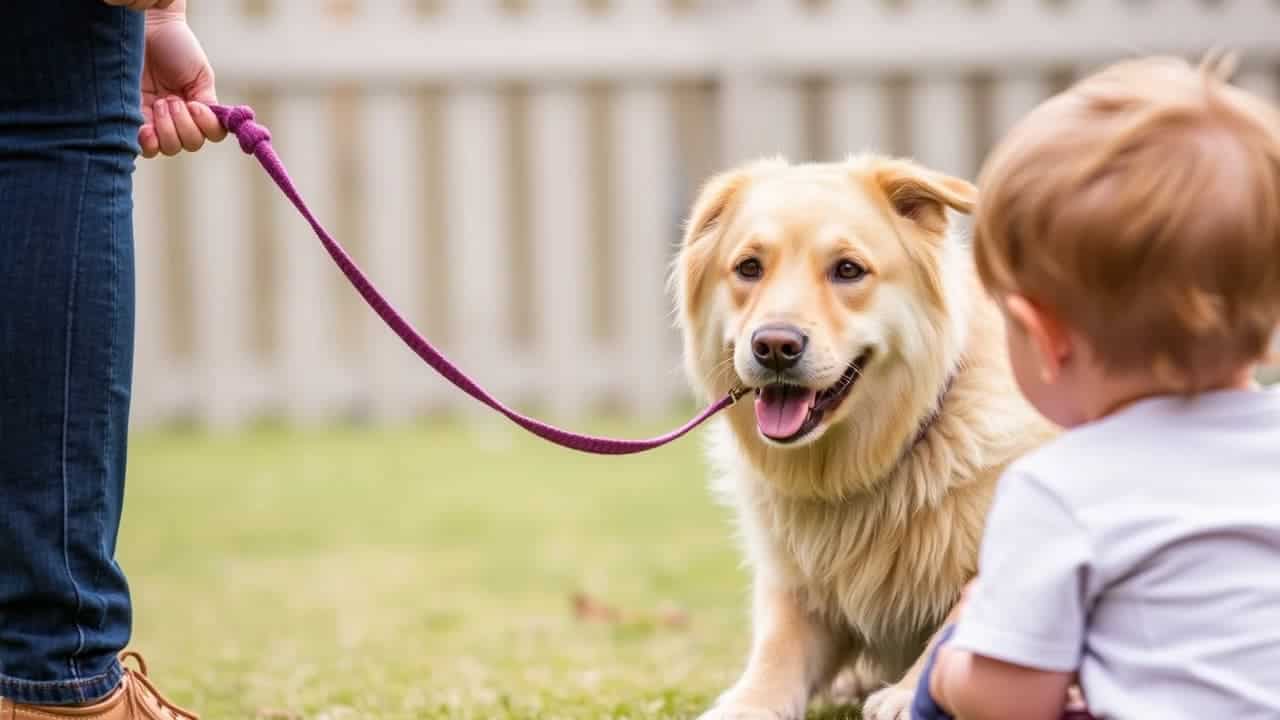
Socializing your dog is one of the most important aspects of responsible pet ownership. A well-socialized dog is calm, friendly, and confident in different environments—especially around children and other pets. Whether you have adopted a new puppy or rescued an older dog, teaching it to interact safely and positively with children and other animals can prevent behavioral and mental problems, as well as create a calm home environment.
In this guide, we’ll break down effective socialization strategies, training techniques, and practical tips for ensuring your dog becomes a well-mannered member of your family and community.
Why Socialization Is Crucial for Dogs
Socialization isn’t just about playdates—it’s about teaching your dog to feel secure and behave appropriately in a variety of situations. Dogs that aren’t properly socialized can become fearful, aggressive, or overly anxious, especially around young children and other pets.
Key Benefits of Socializing Your Dog:
- Reduces fear and anxiety
- Prevents aggressive or reactive behavior
- Builds confidence
- Improves overall obedience
- Enhances quality of life for your pet and your family
When to Start Socializing Your Dog
The Ideal Socialization Window
The best time to start socializing a dog is between 3 and 14 weeks of age. During this developmental window, puppies are most open to new experiences. However, that doesn’t mean older dogs can’t be socialized—they just need a bit more patience and structured training.
Socializing Adult Dogs
Rescued or older dogs can absolutely learn to be social, though the process may take longer. Begin with low-stress interactions and positive reinforcement to build trust and comfort.
Preparing Your Dog for Socialization
Before introducing your dog to children or other pets, ensure they have mastered some basic obedience commands. This foundational training gives you control over your dog’s behavior and boosts their confidence in new situations.
Basic Commands to Teach:
- Sit
- Stay
- Leave it
- Come
- No/Stop
Using these commands consistently provides structure during interactions and helps you redirect unwanted behaviors quickly and effectively.
How to Socialize Your Dog Around Children
Dogs and children can form lifelong bonds, but they communicate very differently. Kids are often unpredictable, energetic, and unaware of canine boundaries, which can be stressful for an untrained dog.
1. Start with Controlled Exposure
Introduce your dog to children in a calm and controlled setting. Keep your dog on a leash and ask the child to remain still and quiet. Allow your dog to approach the child at their own pace.
2. Teach Children Proper Dog Etiquette
Educate children on how to behave around dogs:
- No pulling ears or tails
- No hugging or climbing
- No sudden movements or loud noises
- Always ask before petting
3. Reward Calm Behavior
Praise and reward your dog for relaxed, friendly behavior. Use treats, toys, or affection as a reward when they interact calmly with kids.
4. Supervise Every Interaction
Never leave a dog and a child alone, regardless of how well they seem to get along. Even the gentlest dog may react negatively to sudden, unfamiliar behavior.
5. Desensitize to Noise and Movement
Dogs can be startled by running, shouting, or erratic movements—typical behaviors for children. Gradually introduce these elements while rewarding your dog for staying calm.
Introducing Your Dog to Other Pets
Multi-pet households can be harmonious with the right approach. Whether you’re introducing another dog, a cat, or a smaller animal, patience and supervision are key.
1. Dog-to-Dog Introductions
Start in a neutral location, such as a park or quiet sidewalk. Keep both dogs on a leash and observe their body language.
Look for positive signs:
- Loose body posture
- Wagging tail
- Play bows
Avoid if you see:
- Stiff body
- Growling or snarling
- Raised hackles
Gradually allow closer contact, and separate them if tension rises. Repeat short sessions until they interact comfortably.
2. Introducing Dogs to Cats
Use a baby gate or crate to separate the animals while allowing them to see and smell each other. Monitor reactions and never force an interaction.
Tips for Success:
- Keep your dog on a leash
- Let the cat have an escape route
- Reward calm behavior
- Increase duration of exposure gradually
3. Dogs and Small Pets (Rabbits, Birds, etc.)
Predatory instincts can be strong in some breeds. Always keep small animals in a secure enclosure during introductions. Reward your dog for calm, non-reactive behavior, and avoid forcing close contact.
Reading Canine Body Language
Understanding your dog’s body language is essential during socialization. It helps you gauge their comfort level and prevent negative encounters.
Signs Your Dog Is Relaxed:
- Soft eyes
- Loose, wagging tail
- Relaxed mouth and posture
Signs of Stress or Discomfort:
- Tucked tail
- Lip licking or yawning
- Avoidance or cowering
- Growling or showing teeth
If your dog shows signs of stress, calmly remove them from the situation and try again later with more distance or less stimulation.
Socialization Mistakes to Avoid
- Forcing interactions – Never push your dog into uncomfortable situations.
- Skipping obedience training – Control is essential for safe socialization.
- Negative reinforcement – Punishment can increase fear and aggression.
- Ignoring warning signs – Always respect your dog’s body language.
- Lack of supervision – Always monitor interactions, especially with children or unfamiliar pets.
Positive Reinforcement: Your Best Tool
Use positive reinforcement to shape your dog’s behavior during socialization. This includes:
- Treats
- Praise
- Toys
- Petting
Reward your dog immediately after desired behavior to reinforce the connection. Avoid punishment, which can create fear or mistrust.
Gradual Exposure and Consistency
Successful socialization doesn’t happen overnight. Gradual, consistent exposure to new people, animals, and environments is key to long-term success.
Create a Socialization Plan:
- Week 1: Meet one child, observe from a distance
- Week 2: Sit calmly near children at a playground
- Week 3: Play with a known dog in a fenced area
- Week 4: Meet a calm cat through a baby gate
Each week, build on the previous exposure. Don’t rush—go at your dog’s pace.
Using Professional Help
If your dog exhibits signs of fear or aggression during socialization, consider consulting a certified dog trainer or animal behaviorist. They can provide tailored guidance and correct issues before they escalate.
Look for professionals who use force-free, positive training methods to ensure your dog is learning in a supportive environment.
Socializing Rescue or Fearful Dogs
Dogs with a history of trauma or neglect may be more hesitant or reactive. In these cases:
- Be patient and compassionate
- Keep a calm environment
- Avoid crowded or overstimulating places
- Celebrate small wins
Over time, even fearful dogs can learn to enjoy the company of others with gentle, consistent support.
Real-Life Socialization Opportunities
Beyond the home, there are many chances to practice socialization:
- Dog parks (once your dog is ready)
- Pet-friendly stores
- Obedience classes
- Vet visits
- Family gatherings
Each outing should be planned and structured to set your dog up for success.
Long-Term Socialization: Maintenance Tips
Socialization isn’t a one-time event—it’s an ongoing process. Regular interaction with people and animals helps maintain your dog’s positive behavior.
Maintenance Checklist:
- Weekly walks in public places
- Occasional visits to friends with pets or kids
- Continued obedience practice
- Monitoring for new fears or triggers
Stay engaged and adapt your approach as your dog ages or your household changes.
Final Thoughts
Socializing your dog around children and other pets is one of the most impactful things you can do for their happiness, safety, and overall well-being. With patience, positive reinforcement, and consistent training, you can help your dog build lifelong social skills and form loving relationships with everyone in your home.
By prioritizing calm, controlled introductions and respecting your dog’s pace, you’ll pave the way for a harmonious, pet-friendly household where both kids and animals can thrive together.